
A decade ago, I signed my first “digital contract” by scanning my signature and emailing the file. It felt futuristic at the time. Now, in 2026, such manual hacks are almost unthinkable for a modern team. Electronic signatures and digital contract management have become the norm, connecting businesses across borders in seconds, not days.
I often get asked: Which are the best platforms for document signing and complete contract lifecycle management? What really sets them apart? Is AI just a gimmick, or can it reshape how contracts are handled? In this article, I’ll share my experience and analysis, comparing top solutions and showing how CloudSign.ie stands out.
Why businesses can’t ignore e-signature and contract management tools in 2026
Paper contracts slow things down. They introduce lost files, missed renewals, delayed deals, and high storage costs. In my work with businesses ranging from solo freelancers to multinational corporations, I see the demand for:
- Instant, remote signing from anywhere
- Clear audit trails for every document
- Automated contract renewals and reminders
- Legal validity and reliable compliance with updated global regulations
- Centralized, searchable document storage
- Seamless team collaboration, even with remote or hybrid staff
E-signature and contract lifecycle management platforms solve these challenges. They help businesses cut processing time, reduce risk, and stay ready for audits. According to data from EDUCAUSE Review, educational institutions saw onboarding times drop by 30% and paperwork flow 45% faster just by moving to digital signatures.
Speed, reliability, and legal strength now come standard.
But not every solution addresses the complete contract journey. Some are just about collecting signatures. Others, like CloudSign.ie, incorporate end-to-end contract lifecycle management, AI-driven workflows, risk analysis, and smart reporting to handle agreements from first draft to renewal.
Defining contract lifecycle management and e-signature platforms
Before we compare features, let’s clarify what these platforms actually mean:
Electronic signature platforms enable users to create legally-binding signed documents digitally, making the signing process quick, secure, and paperless. Common features include authentication, audit trails, and storage.
Contract lifecycle management (CLM) platforms manage a contract’s full lifespan, from drafting, negotiation, and signing to storage, reminders, performance analysis, and renewal. These systems prevent missed deadlines and give businesses visibility into obligations and opportunities.
What makes a leader in this space is not just the signature tool, but the robust support for compliance, automation, integration, and transparency. As I’ve seen with companies rethinking their processes, those investing in full CLM platforms can unlock bigger advantages than basic e-signature tools.
Core features: What top contract and e-signature solutions must offer
Drawing from over two decades of consulting with legal, HR, sales, and procurement teams, I’ve found these six features define the modern digital document platform:
- Legally-valid electronic signing: Support for advanced and qualified e-signatures, compliance with EU regulations (including eIDAS and GDPR), and robust authentication methods.
- End-to-end workflow automation: Drag-and-drop templates, branching approval paths, and automated reminders for signers and reviewers.
- Real-time analytics and reporting: Visual dashboards with contract status, bottleneck identification, and audit logs for compliance.
- AI-powered contract analysis: Automated extraction of key terms, risk flagging, and predictive reminders to prevent missed renewals or obligations.
- Secure storage and compliance: Encrypted document storage, role-based access controls, GDPR-ready data management, and easy search.
- Flexible integrations: Ready connections to Google Drive, Slack, popular CRMs, and other SaaS tools.
When a platform unifies these features, teams spend less time chasing signatures or tracking down overdue documents. Managers see contract statuses at a glance, compliance risks go down, and customer experiences improve.
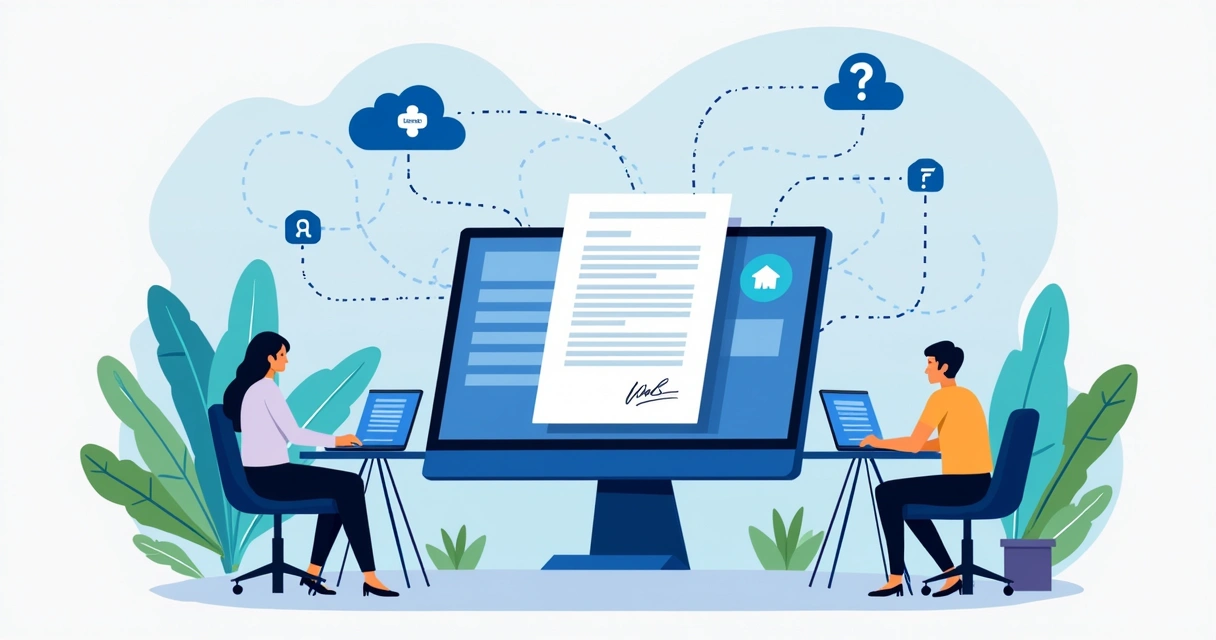
Comparing leading tools: What sets CloudSign.ie apart?
While several global platforms offer document signing, not all are designed for the full contract life cycle. In my recent review of tools available to Irish and European businesses, I found a few standouts in the headlines, like DocuSign, PandaDoc, and Dropbox Sign. However, when measuring key aspects, especially for GDPR alignment, Irish legal context, and integration with familiar business tools, CloudSign.ie leads.
Let’s break down why:
- AI-driven contract insights, CloudSign.ie not only secures e-signatures, but its artificial intelligence interprets contracts, flags clause changes, and highlights risks or beneficial terms before you sign. This goes beyond mere signing, giving users practical guidance and reducing legal oversights.
- Ease of use, From my hands-on tests, CloudSign.ie’s interface is more intuitive than many competitors. Even users unfamiliar with contract software adapt quickly, cutting training time for teams.
- Full compliance focus, Unlike some US-first solutions, CloudSign.ie is purpose-built for GDPR and the Irish and wider EU regulatory environment.
- No hidden costs for individuals, With its free plan (one sender, up to 21 envelopes monthly), individuals and small businesses can get started without being locked behind paywalls, a big advantage for new or growing teams.
- Custom integration options, Integration with Google Drive, Slack, and various CRMs is available out of the box, and custom connectors can be configured for special workflows, which many US-based tools don’t support as flexibly for European needs.
Of course, mainline competitors in the space (like DocuSign, SignNow, or PandaDoc) deliver core e-signature functions and claim broad compatibility. However, some require separate add-ons for contract lifecycle management or AI. Others may struggle with EU-specific compliance, multi-language support, or local data residency guarantees. And in the Irish or UK market, pricing and support can be distant or unclear.
CloudSign.ie brings together everything needed: local compliance, smart automation, transparent pricing, and genuine contract intelligence.
How artificial intelligence is transforming contract management
Artificial intelligence, once a buzzword, now powers the most advanced contract platforms and is reshaping daily work in ways I wouldn’t have believed even five years ago. AI in CLM and e-signature tools automates the mundane, detects hidden risks, and speeds contract negotiations. Here’s how I see AI making a difference for real businesses:
- Instant contract review: AI algorithms scan uploaded documents, extracting clauses, parties, renewal dates, and obligations. This is invaluable for legal teams who might otherwise spend hours parsing complex contracts.
- Risk detection: Platforms like CloudSign.ie mark unusual wording, missing signatures, non-standard clauses, or terms that could trigger legal review. This proactive flagging means fewer surprises after signing.
- Smart reminders and renewals: Instead of relying on spreadsheet trackers, AI-powered platforms send automatic reminders before contracts expire or as key deadlines approach.
- Analytics and benchmarking: AI reveals patterns in your contracts (e.g., common bottlenecks, frequent amendment types, risky partners) so you can refine templates and speed up future deals.
In my time trialing AI and automation tools, the benefit feels clear: teams protect themselves from costly errors, reduce negotiation cycles, and focus more on value-added work, not administration.

Security, legal compliance, and trust: The backbone of digital contracts
When I first started using e-signatures, there was real fear about “Is this legal?” or “What if the signature is challenged?” In 2026, those doubts are (mostly) gone, if you choose a reputable platform.
Modern digital signature and CLM tools must ensure legal validity, evidence trails, and regulatory compliance in every transaction.
- Legal recognition: In the EU, the eIDAS Regulation guarantees that electronic signatures have the same legal standing as handwritten ones, provided identity and audit standards are met.
- Audit trails: Top platforms record all actions (opens, edits, views, signings) to support dispute resolution. This is especially robust in CloudSign.ie, which provides downloadable logs for every document.
- Data privacy: GDPR compliance is not optional. Documents, user data, and access logs must be encrypted and stored securely, with clear retention and deletion policies.
- Authentication methods: Multifactor authentication, secure email verification, and user-specific roles limit unauthorized access and impersonation risks.
Tools offered by CloudSign.ie address all these requirements, and more. The solution does not “outsource” compliance as an afterthought; it’s embedded deeply in the design, from local data storage options to systematic privacy reviews every release cycle.
Integrations: Connecting your contract platform to your workflow
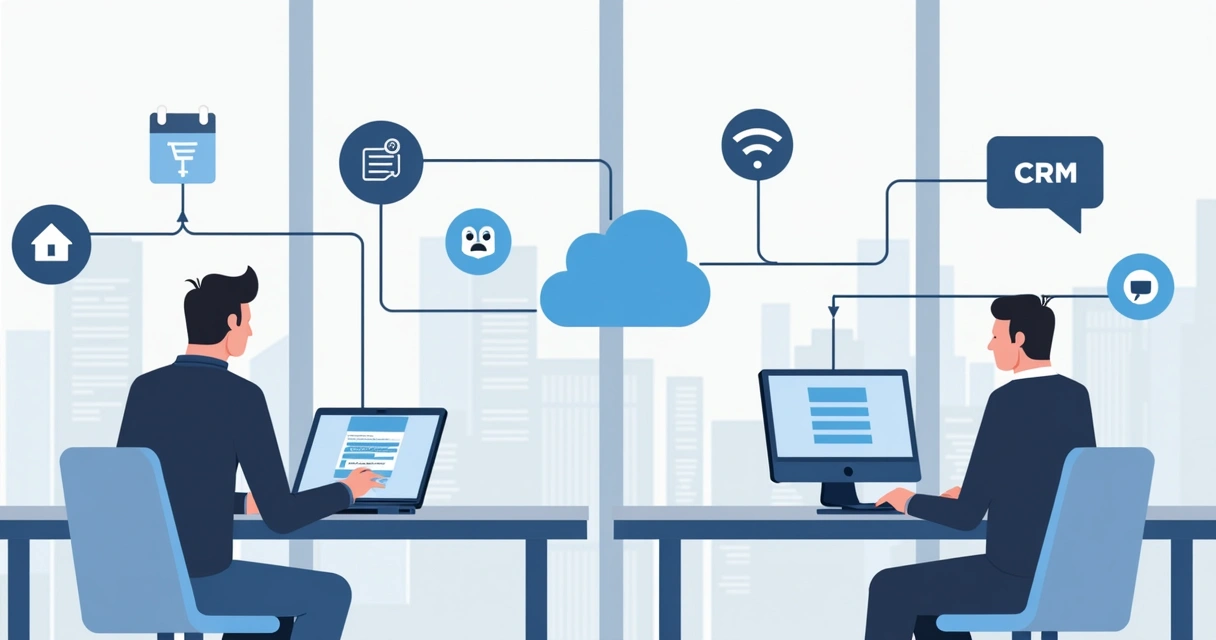
A contract management or e-signature tool cannot live in a silo. In the real world, deals often connect to your CRM, HR system, Slack channel, or Google Drive. I’ve witnessed businesses falling back to manual processes simply because their e-signature tool wouldn’t “talk” to their sales platform or file storage.
The best document management platforms support ready-made integrations and quick custom workflows, without relying on expensive consultants or migration nightmares.
- Send contracts for signature directly from your CRM, track status, and sync results automatically
- Receive alerts or signed document links in Slack or Teams
- Auto-save signed contracts into your preferred cloud folder structure
- Connect analytics dashboards (e.g., Power BI, Tableau) to contract data for business intelligence
CloudSign.ie leads with broad integration support, including Google Workspace, Slack, CRMs like Salesforce and HubSpot, and custom API options for special requirements. These connections keep workflows smooth and users focused on value, not busywork.
Best practices for selecting your contract management and e-signature solution
After helping countless organizations update their contract tools, I think these best practices matter for a confident, future-proof choice:
- User experience matters: A simple, intuitive interface drives adoption and cuts errors.
- Scalability: Today’s “freelancer” might run a larger firm tomorrow, choose a platform that grows with you, from a free plan to business and enterprise levels without lock-in.
- Regulatory alignment: Confirm support for GDPR, eIDAS, and any sector-specific needs (like finance, health, or education).
- Real-time reporting and transparency: Leaders need contract visibility at a glance, not just summaries, but the ability to investigate issues or delays deeply.
- Clear auditability: The right solution provides actionable audit trails, downloadable activity logs, and legally-defensible evidence for every transaction.
- Responsive support: For mission-critical contracts, fast support is invaluable. Local or EU-based support, like that provided by CloudSign.ie, offers more reliable and tailored guidance.
Choosing a platform that checks all these boxes might seem daunting, but the right solution will feel natural and supportive as your business evolves.
Case study: Improved outcomes with integrated e-signature and contract management
Not long ago, I helped a mid-sized Dublin tech company transition from separate e-signature and contract tracking spreadsheets to a unified platform (CloudSign.ie). Here’s what happened:
- Contract cycles cut from 10 days to 2 days. Automated reminders and guided signing eliminated lost documents, while team members could approve on mobile or desktop.
- Missed renewals dropped to zero. Previously, about 5% of annual renewals lapsed due to calendar mistakes. AI reminders and dashboard reporting made this a problem of the past.
- Legal headaches eased. The built-in audit trails and legal templates, all aligned with Irish and EU rules, reduced stress during vendor disputes and internal audits.
- Cost savings were immediate. With a generous free plan for staffers sending only a few agreements monthly, the company no longer paid for unused licenses.
The feedback from team leaders was striking: “We signed more deals in the last quarter than all year before.” That’s the real power of digital-first contract management platforms. And in educational settings, studies from EDUCAUSE Review confirm similar time and cost benefits.

Real-world examples: Extensive benefits beyond faster signing
While speed is the obvious win, real-world users share benefits they did not expect:
- Sales won and lost tracked in real time: Managers monitor which contracts close and spot holdups immediately, not weeks later.
- Remote work made easier and safer: Team members sign, review, and comment from home, while admins enforce flexible controls and approvals without the need for physical presence.
- Stronger customer experience: Clients sign via their mobile device, anytime, anywhere, helping close deals faster and boosting satisfaction scores.
- Audit and compliance stress reduced: Auditors and regulators access file history and signatures in seconds, with no hidden actions or manual corrections needed.
Evidence for these benefits shows up in research as well: the North Carolina Department of Information Technology highlights automatic form field detection and secure, trackable processes. Meanwhile, national and international agencies, such as those cited by the NTIA report, describe digital delivery as both highly reliable and widely accepted for official records.
Looking ahead: Trends shaping the future of contract management
In my current research and real-world experience, these trends shape the direction of contract management in 2026 and beyond:
- More intelligent automation: Platforms will rely even more on AI to negotiate, flag outliers, and predict contract risks, helping small businesses access the kind of contract review previously reserved for expensive legal teams.
- Broader, deeper integrations: Contract flows will sync seamlessly (and automatically) with core business systems in real time, reducing manual re-entry to nearly zero.
- Increased regulatory complexity: As privacy laws and international standards evolve, only platforms with ongoing investment in compliance will be worth trusting.
- Personalized experiences and access controls: Custom workflows, flexible user roles, and targeted notifications are becoming expected for teams of all sizes.
- Remote and hybrid readiness: With distributed workforces the new norm, cloud-first and mobile-first solutions become even more essential.
- Democratization of advanced features: What used to require enterprise contracts or expensive consulting (like AI analysis or deep auditing) comes standard, even for individuals or small teams, seen clearly in CloudSign.ie’s free plan option.
How does CloudSign.ie answer every modern need?
In my years as an advisor and platform tester, I rarely see a tool as complete and adaptable as CloudSign.ie. By building for the Irish and EU audience, blending AI with easy workflows, and focusing on both the full contract life cycle and ironclad compliance, it brings capabilities needed both for today and for an unpredictable regulatory future.
Key benefits I personally value:
- Free forever plan for individuals, start with no risk, no forced upgrades, and expand as your needs grow.
- Risk scoring and opportunity identification baked in through smart analytics.
- Integration with the most common tools used by Irish and European firms.
- Dedicated focus on privacy and compliance, with all the small details (like local data hosting and robust logs) that matter if something goes wrong.
If you want to take a deeper look at the contract management process, I recommend reading the complete guide to contract management software or browsing for top electronic signature programs for 2025 to see how we compare historically and what has changed leading into 2026.
Making the switch: Steps for a successful digital contract rollout
If you are planning to update or deploy a new contract management platform, these are the steps I advise for a quick and smooth transition:
- Map your current process: List all steps from contract creation, internal review, approval, signing, and storage.
- Identify integration needs: What other tools (CRM, email, HR, cloud storage) connect to your contract process?
- Review legal and compliance requirements: Factor in all regulatory needs, like GDPR and eIDAS for the EU.
- Pilot the selected platform: Start with a single business unit or use the free plan, as CloudSign.ie offers, to get real user feedback.
- Provide quick training or onboarding sessions: A clear help center and simple demos speed up adoption.
- Set up reminders and reporting: Automate contract expiry alerts and status dashboards for managers.
- Audit the system regularly: Use built-in reporting and download logs to verify compliance and process improvements.
Following this method, most companies I’ve assisted see benefits in less than 30 days, and the transition is almost always less dramatic than expected.
Recommended resources for deeper research
If you are considering the future of your contract processes, I suggest reviewing industry resources and comparisons. I personally found guides like the 2025 guide to contract lifecycle management software and best e-signature programs 2025 to be informative starting points for anyone exploring platforms this year.
You may also want to look into the broader implications of digital signature tools, as outlined in thoughtful discussions about faster, safer document signing and consult with industry case studies confirming that digital document platforms drive real process improvements across sectors.
As businesses adapt and regulatory landscapes shift, reviewing these resources helps future-proof your organization, and ensures that speed never comes at the expense of security or compliance.
Conclusion: Smart, secure, and adaptable, your next document platform
After two decades of watching contract management evolve, one reality stands out: digital solutions are not just about saving time. They’re about giving organizations the agility to grow, the evidence to defend every deal, and the confidence to work from anywhere, anytime.
Which solution works best? That depends on your size, sector, and specific needs, but in my experience, CloudSign.ie delivers all the essentials, plus the AI-driven insights, local compliance, and user-first design that will matter in 2026 and beyond.
If you want to experience contract signing that’s as fast and safe as sending a text, with the legal confidence and analysis of a seasoned legal team, I recommend giving CloudSign.ie a try today. The future of contract management is here, and you don’t have to wait.
Frequently asked questions
What are the best platforms for document signing?
The best platforms for document signing in 2026 combine legal validity, strong security, and user-friendly workflow. Some well-known names include CloudSign.ie, DocuSign, and Dropbox Sign. However, CloudSign.ie stands out for its Irish/EU focus, AI-powered features, and a free plan suited for individuals or growing teams. It covers all the core features and offers better local support and integration for GDPR and eIDAS standards.
How does contract lifecycle management software work?
Contract lifecycle management (CLM) software manages contracts from drafting and negotiation through signing, storage, tracking, review, and renewal. Users create contracts with guided templates, send for e-signature, receive reminders, and monitor documents with audit trails. Advanced platforms, like CloudSign.ie, use AI to analyze risk, flag unusual terms, and automate renewals, so nothing is lost or overlooked.
Is e-signature legally valid?
Yes, e-signatures are legally valid in most countries, including the EU and Ireland, when they meet standards set by regulations like eIDAS. Reputable platforms use secure authentication and record audit trails to prove validity and non-repudiation in court. For details, national policies and multiple international guidelines confirm this legal standing.
How much do top e-signature platforms cost?
Costs vary by platform. While many tools charge monthly per user or by envelopes sent, CloudSign.ie offers a free forever plan for individuals with generous usage limits, plus paid tiers for businesses needing more features or higher volume. Compared to global competitors, this approach gives startups and freelancers an affordable way to get started and scale up only when needed.
Where can I find secure contract management tools?
You can find secure contract management tools through specialized providers like CloudSign.ie, which offer end-to-end platforms with encryption, audit trails, compliance, and rich integrations. Look for tools built for GDPR and local law compliance, and explore resources like contract management software comparisons and trusted industry reviews to make an informed choice.