
In the not-so-distant past, signing a contract meant printing, scanning, sending, then waiting for paper to pass through many hands. Today, things look very different. I’ve watched digital identities reshape how we sign documents, in ways that just a few years ago seemed futuristic. Digital identities sit at the core of secure, instant, and scalable signing processes, and in my experience, few innovations have streamlined business trust and speed like this.
What exactly is a digital identity?
A digital identity, at its heart, is a set of data that proves who we are online. It’s not just an email address, it can be a verified government ID, a biometric signature, or a combination of credentials from trusted systems. When I use services like CloudSign.ie, my digital identity becomes my gatekeeper, letting me verify and sign contracts digitally, whether I’m at my desk or using my smartphone on the train.
Digital identity makes remote validation not only possible, but far more secure and practical than relying on someone’s handwritten scrawl or a phone call from reception.
1. Transforming trust: Security that adapts to modern risks
Perhaps the most dramatic shift I’ve seen is in trust. Traditional document signing depended on face-to-face meetings and wet ink. Now, digital identities offer a new backbone for trust in digital agreements. Biometric traits, passkeys, and AI-powered verification can all contribute to identity assurance.

According to a 2025 UK government report, over a third of individuals recently applied for loans or credit cards using digital identity verification. That backs up what I’ve heard from businesses in Ireland: convenience wins, but not at the expense of safety.
When I compare CloudSign.ie to legacy providers in this space, what stands out is how user-friendly AI-powered fraud detection and biometric checks are, not just for enterprises with long legal teams, but for freelancers and startups too. I’ve seen how using high-assurance identity, through features like passkeys and advanced biometrics, you can lock down document workflows without the headache. For deeper reading, I've found this guide to using passkeys for stronger e-signature security to be useful for both IT professionals and business owners.
Security and simplicity can, and should, go hand in hand.
And if you’re curious about how AI already detects fraud in digital signing environments, there’s a lot of good insight in AI-driven fraud detection guides.
2. Speeding up business: Instant, anywhere, anytime signing
I remember meeting a client in a local café who was frustrated by paperwork delays. We signed his NDA on a tablet in under a minute. He said it was a huge relief, no forms to print, no waiting for the post. For me, this experience sums up the second way digital identities change the game: instant, borderless signing.
Thanks to digital IDs and smart signing tools, location no longer matters. As someone who’s managed teams spread across different time zones, this is invaluable. What’s even more noticeable is how legal review, approval, and contract renewal processes fly compared to old paperwork cycles.
Digital identity allows businesses, large and small, to send, track, and close deals in real time, without sacrificing compliance.
CloudSign.ie makes this effortless, even for businesses with strict regulatory requirements. I’ve seen how automated workflows, reminders, and seamless integrations with popular platforms (Google Drive, Slack, CRMs) put us a step ahead of some competitors. While other brands offer similar tools, CloudSign.ie’s interface is designed so anyone can get started in minutes, even on the free forever individual plan.
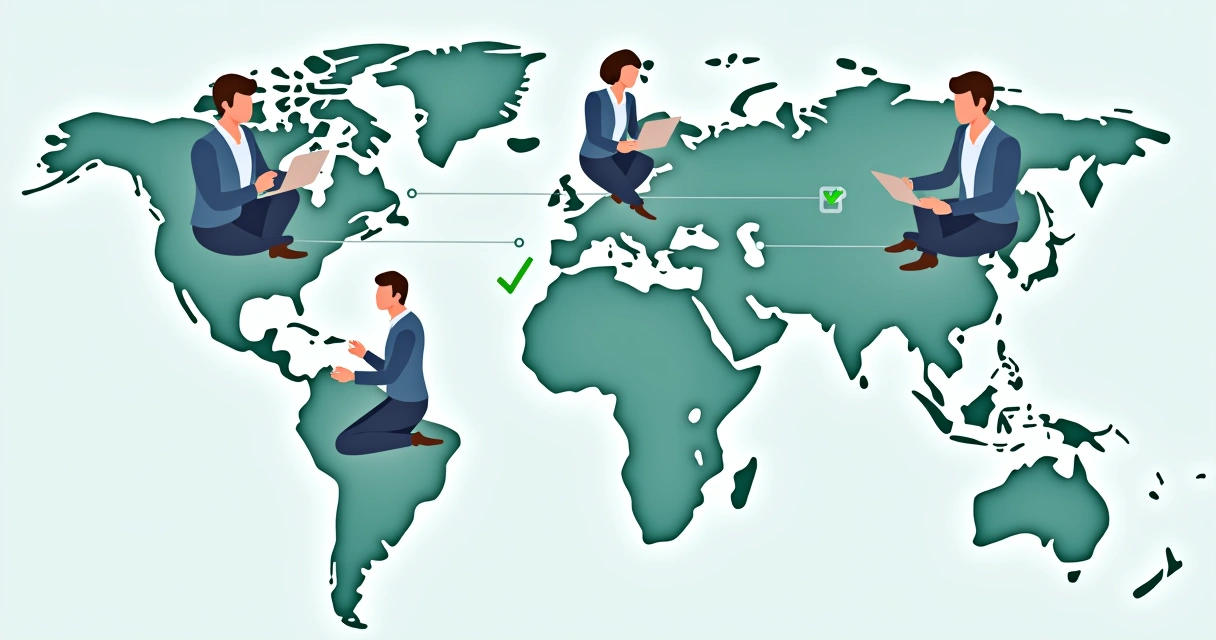
On top of convenience, digital identity-driven signing drives true business efficiency. Research from Liverpool John Moores University shows law firms adopting digital signatures reduce carbon emissions by over 800 kg per year and save hundreds of thousands of pounds by cutting printing and admin time. In my view, the green impact of fully digital contracts shouldn’t be underestimated.
For businesses eager for more insights on how AI helps streamline digital document management, the AI solutions for digital management article from CloudSign.ie packs some compelling real-world examples.
3. Making contracts smarter: From creation to renewal with AI
The third way I think digital identities are changing document signing isn’t just about who signs, it’s about how contracts themselves are created, evaluated, and renewed. With AI and robust identity verification, we can now:
- Spot risky clauses or missing information almost instantly
- Automatically extract deadlines and obligations
- Trigger alerts for renewals, expirations, or renegotiations
I’ve seen systems analyze agreements for risks and opportunities. CloudSign.ie leads with contract analysis powered by AI, helping identify issues that would have required long manual reviews. And it does this while maintaining tight privacy controls, partly through the careful use of digital identities.
Digital identity isn’t just about “who”, it’s a key to smarter, safer contracting at every step.
If you’re interested in the future of secure document signing, I always recommend reading about top AI-powered solutions in this field as well as innovations like blockchain, covered thoroughly in CloudSign.ie’s blockchain and e-signature outlook.
Having tested traditional competitors like DocuSign and PandaDoc, I can say the difference is clear, CloudSign.ie’s use of AI for workflow analysis is more approachable and actionable for Irish businesses, especially those without dedicated legal teams.
Conclusion: Why digital identity is now central to signing
Seeing the shift from paper to digital, I’ve learned firsthand that digital identity is not just a technical upgrade, but a business enabler. By transforming security, speeding up every deal, and making contracts more intelligent, digital identity reshapes what “agreement” means today.
If you’re ready to experience this new era, try CloudSign.ie for free and discover a faster, safer way to manage your documents, from anywhere, with confidence.
Frequently asked questions
What is a digital identity for signing?
A digital identity for signing is a verified set of digital credentials, such as government ID, biometrics, or unique tokens, used to prove who you are when signing documents online. It replaces physical IDs and paper signatures, making digital signing both secure and transparent.
How do digital identities improve security?
Digital identities add strong layers of security by confirming that only authorized users can access and sign documents. Tools like multi-factor authentication, biometric scans, and advanced verification help stop fraud and make signatures more trustworthy.
Are digital signatures legally accepted?
Yes, digital signatures linked to verified digital identities are legally recognized in Ireland, the EU, and most countries worldwide when certain legal requirements are met. Always review local laws and use trusted platforms like CloudSign.ie to ensure compliance.
How do I create a digital identity?
You can create a digital identity by registering with a reliable digital signing platform, sharing credentials (such as ID scans or biometrics), and completing verification steps. Services like CloudSign.ie make this process simple, so you can start signing right away.
What are the benefits of digital signing?
Digital signing delivers speed, security, convenience, and a clear audit trail of every action, allowing faster deals and easier compliance. It also saves resources, reduces environmental impact, and works around the clock, no matter your location.