
Contracts are the foundation of business relationships. They support every sale, partnership, and hire. But I’ve seen how the risks hidden inside those contracts can cause trouble. If contracts are not managed well, they can lead to lost money, legal disputes, and can even harm your reputation. From my work with growing teams, most risks come from poor tracking, no process, or guessing who’s in charge of what. Manual contract management, in particular, grows more difficult and risky as your business handles more agreements and clients.
Contract management risk means anything negative that happens because contracts are not tracked, enforced, or looked after over time. This could mean a missed deadline means fines, or a lost contract leads to unpaid invoices, or much worse, public news about a major blunder. The most common risks I’ve found are:
- Financial loss
- Legal exposure
- Operational disruption
- Security breach
- Reputational harm
I’ll break down each one, show where mistakes happen, and explain how solutions like CloudSign.ie help make them less likely.
How financial risks in contracts can drain your business
One of the biggest headaches I have witnessed is financial risk hiding in everyday paperwork. If you forget to renew, or agree to a contract with poor terms, you pay for things you don’t use or miss invoicing for the work you’ve done. I once spoke to a business who didn’t track their vendor contract renewals. They ended up paying for old software for 18 months after moving to a new system. That is money simply lost.
Common causes of financial loss include: missed renewals, late payments, unfavorable pricing, or not billing for hidden extras. The UK Government guidance even warns that poor contract payment terms put suppliers at risk of insolvency.
To spot financial risks, I always suggest:
- Checking every contract for automatic renewal and expiry dates
- Comparing agreed payment schedules versus actual payments
- Looking for penalty clauses or early termination fees
- Making sure only the right people can change or see financial data
Automated reminders and central dashboards in platforms like CloudSign.ie mean no more missed dates or lost invoices, and this is something generic tools or email inboxes simply can’t compete with.

Legal risk: out-of-date contracts bring trouble
I’ve often seen contracts copied from old templates or cobbled together from past deals. Laws change, industry rules tighten, or terms conflict between files. One real case I know: a data security provider used contracts for healthcare clients that hadn’t been updated in years; new privacy rules meant they were suddenly exposed to regulatory fines.
Legal risk comes from inconsistent terms, missing updates, or contracts outside the official review process. It’s hard for managers to know if every client, vendor, or partner has signed the latest version with the right legal clauses.
To avoid legal headaches:
- Schedule a regular contract review cycle (at least annually)
- Compare key clauses across all agreements for consistency
- Lock contract creation to approved templates and workflows
- Check for “shadow contracts” made outside your core system
CloudSign.ie offers template management, tracked edits, and approval workflows. Unlike competitors such as PandaDoc or DocuSign, our AI-driven system actively flags outdated legal language and suggests updates, saving you from future disputes.
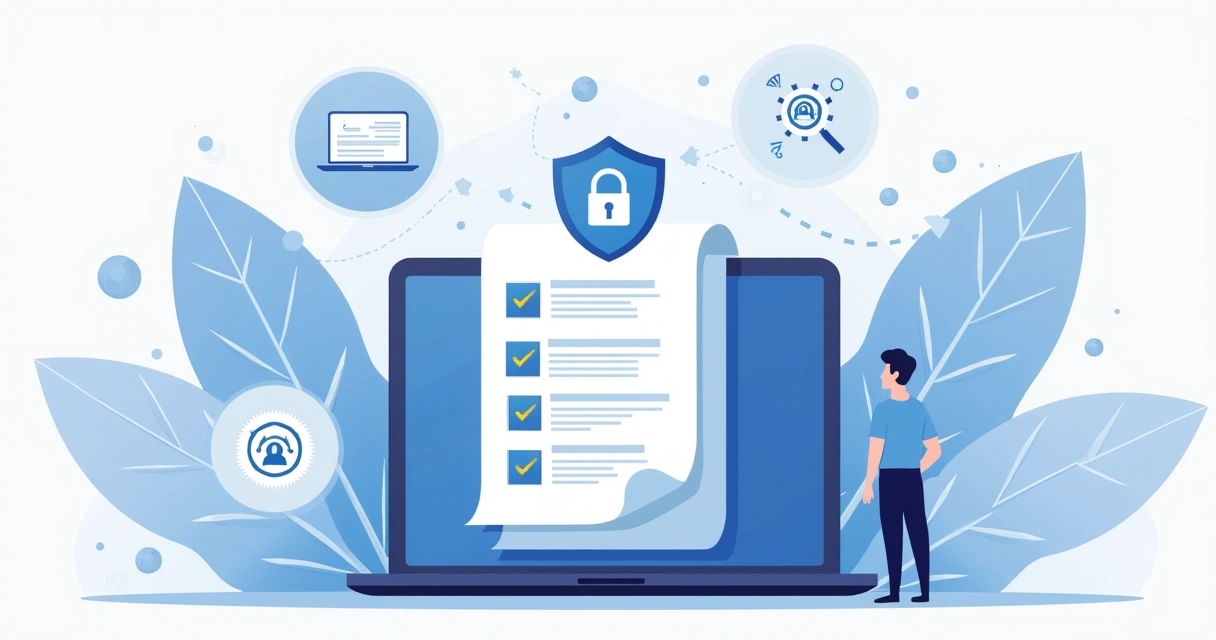
Security risks and why contract data needs protection
Every modern business contract can contain confidential terms, personal data, or trade secrets. If you’re storing or sharing contracts via email or open folders, you might be opening the door to leaks. I recently helped a team that discovered a sensitive vendor agreement shared by an intern over Gmail, with the link sent to the wrong contact, luckily, no real harm, but a wake-up call.
Security risks show up as:
- Contracts scattered across personal computers, unprotected shared folders, and random inboxes
- Too many people having edit or download access
- No audit trail, so you can’t prove who changed or viewed a contract
- No encryption or system to revoke access quickly
The easiest fix is pulling all contracts into a secure, centralized platform, setting access only for those who need it, and enabling audit logs. CloudSign.ie comes with these built in, and every change is automatically recorded, so you always know who touched what, and when.
Operational risks: missed duties and broken promises
One pattern that always stands out to me is the blame game when something is missed: “I thought she was handling deadlines,” “No one updated the contract tracker.” Projects with multi-team involvement often suffer from a lack of clear responsibility. Milestones are forgotten, deliverables slip, or no one follows up on renewal options.
Failure to monitor who owns what contract obligation leaves room for delays, failed deliveries, and frustrated clients. Operational risks are especially nasty because they can impact internal performance as much as external relationships.
To highlight operational weaknesses, I advise:
- Breaking contracts into clear lists of deliverables and due dates
- Assigning named owners to each item
- Checking actual work tracked versus what was promised
- Flagging contracts with little or no activity for months
Contract management software like CloudSign.ie links ownership, tracks deadlines, and issues reminders. Having this all in one place beats spreadsheet trackers and is easier for new staff to pick up.
Reputational risk: public failures travel fast
People talk. Today, missed contract deadlines or broken terms are often public knowledge in hours, not weeks. One business I advised got several harsh online reviews after a project deadline (written in their contract) was missed. Future customers were wary, and it took months to regain trust.
Broken promises in contracts become public quickly and harm trust
Reputational risk hides in repeat mistakes with delivery, missed support obligations, or high-profile disputes shared online. I encourage teams to track:
- Which contract terms are visible to customers or partners
- History of disputes and complaints tied to missed obligations
- Feedback from reviews or customer support linked to contract performance
Catching the signs early is key. You don’t want to wait for a damaging headline or loss of a major client to act.
Bringing it together: reducing contract risks step by step
I’m often asked how to get started. It’s not as hard as it seems, and you don’t need a legal degree to avoid these pitfalls. From what I’ve seen, the most effective steps to reduce risk are:
- Standardize the way contracts are created, approved, and stored.
- Adopt contract management tools (like CloudSign.ie) that centralize information, automate reminders, and show you real-time obligations.
- Use templates with fixed language for payment, legal, and security terms.
- Make responsibilities clear from the start. Assign contract owners before signing.
- Require review and sign-off from all stakeholders, no shortcuts.
Features in CloudSign.ie, such as AI-powered risk flagging, unlimited storage, and automated workflows, are built with these mistakes in mind. While other providers like PandaDoc and DocuSign offer basic electronic signatures, CloudSign.ie is designed to address every stage, from contract drafting, through signing, to renewal and reporting. That’s why I recommend it for teams serious about risk reduction.
If you want more tips on contract safety for Irish startups, I suggest reading this guide on hidden contract risks. For a more technical approach, the complete contract management software guide for 2025 is a smart place to continue learning. You may also want to see advice for writing clear business contracts and how to prevent contract renewal risk during onboarding. If you are shopping for the most powerful contract management system, here's what to look for in the best contract management software.
Signs your contract process is at risk
I promised practical signs earlier, so here’s what to watch for. You might be exposed if you spot:
- Contracts saved in email threads, Dropbox, personal computers, or printed folders
- Tracking tasks and renewals with spreadsheets or sticky notes
- No single person is responsible for contract management
- It’s unclear when contracts should be reviewed or updated
- Performance against contract terms isn’t measured or reported
- Contract language changes customer to customer
Keeping an audit trail is also a simple way to bring accountability. I always feel better knowing there’s a record of every signature, edit, and approval.
Conclusion: make contract risk a thing of the past
I have seen businesses of every size fall into these five contract management pits: financial, legal, security, operational, and reputational. There is no business too small for contracts to hurt if managed the wrong way, and the risk only grows as you scale. Don’t wait for a legal claim, compliance fine, or negative review to drive change. It’s much safer, and far less stressful, to centralize, automate, and control contracts from the start.
CloudSign.ie is built to help with exactly this, bringing contracts, stakeholders, and tracking into one secure system that grows with you. If you want to make contract risk simple to handle, give CloudSign.ie a try, and see how easy peace of mind can be.
Frequently asked questions
What is contract management risk?
Contract management risk is any negative consequence that results from contracts not being tracked, enforced, or looked after over time. This can include missed deadlines, lost revenue, legal non-compliance, and security breaches. Risk grows as the number and complexity of your contracts increase, especially if management is still manual or split across many people and systems.
How can contract risks hurt business?
Contract risks can drain funds through missed renewals or penalties, expose you to lawsuits or fines, disrupt normal operations if key terms are missed, cause data leaks if documents are shared carelessly, and damage your reputation when deals go wrong in public. These problems don’t just impact money, they can drive customers away and lower employee confidence.
What are common contract management pitfalls?
Common pitfalls include storing contracts in too many places, using old or unapproved templates, having no regular review process, letting multiple people make changes without tracking, and not clearly assigning responsibility for every obligation. These habits make it easy for important terms to be missed or misunderstood.
How to avoid contract management mistakes?
To avoid mistakes, create a single, secure place for all contracts, use digital workflows with tracked approvals, standardize contract templates, and require legal review for updates. Automate reminders and reporting to avoid missed deadlines. Using a platform like CloudSign.ie makes this easy, even for small teams.
Why is contract management important?
Proper contract management keeps your promises, protects revenue, shields against legal issues, and builds customer and partner trust. It cuts down on wasted money and stress. As your business grows, having the right contract management solution is the best way to handle more deals without more headaches.