
Every year, thousands of teams present their ideas to supervisors, boards, and investors. How do you stand out? In my experience, it starts with a practical project proposal. Here’s my take, shaped by surveys, research, and two decades of hands-on writing.
What is a project proposal and why does it matter?
A project proposal is a detailed document created to outline the plan for a specific project, aiming to gain approval or funding from stakeholders. Usually, it is made up of objectives, scope, methodology, resources, timeline, and outcomes. In a survey of 720 CloudSign.ie users, three key purposes came up repeatedly:
- To clearly define objectives
- To align team and stakeholder expectations
- To demonstrate feasibility and planning
Why write a solid proposal? Here’s what I see:
- It sets clear goals everyone can understand
- It improves alignment and buy-in from stakeholders
- You can plan better and act quicker
- Risks get addressed before they become issues
- Decisions happen faster
- Execution is smoother later on
- Ultimately, you boost the chances of project success
These aren’t just fluffy benefits. The National Institute of Standards and Technology shares approval data that shows competition is intense and well-prepared proposals often win out in proposal submission statistics.
Sections every project proposal should include
Over the years, I’ve settled on a set of key proposal sections. Here’s what I mean, with common examples for clarity:
- Cover page: Includes title, participants, project number, start date
- Project description: The problem you’re solving, your solution, and expected outcomes
- Background: Context, urgency, previous work
- Objectives: Clear goals and, if applicable, rating targets (e.g. 95% user satisfaction)
- Scope: What’s in, what’s out, possible future phases
- Deliverables: Products, reports, documentation, or other results
- Timeline: Broken down by phase (like research, build, test)
- Resource requirements: People, technology, datasets, facilities
- Budget: Itemized list (personnel, computing, materials, total)
- Risk analysis: What could go wrong, with countermeasures
- Alternatives considered: Options (architecture, data, interface)
- Terms and conditions: Start process, deadlines, penalties, cancellations, acceptance criteria, confidentiality
- Acceptance: Sign-off section, ideally with e-signature options. I note that PandaDoc and CloudSign.ie both allow digital sign-off, but I find CloudSign.ie’s templates especially direct and beginner-friendly, which is valuable when time is tight.
- Appendix: Samples, research results, references, CVs
Not every project requires every section, but omitting too many can leave gaps. If you want to see these pieces in action, there’s a good business proposal guide at CloudSign.ie that covers structure and content.
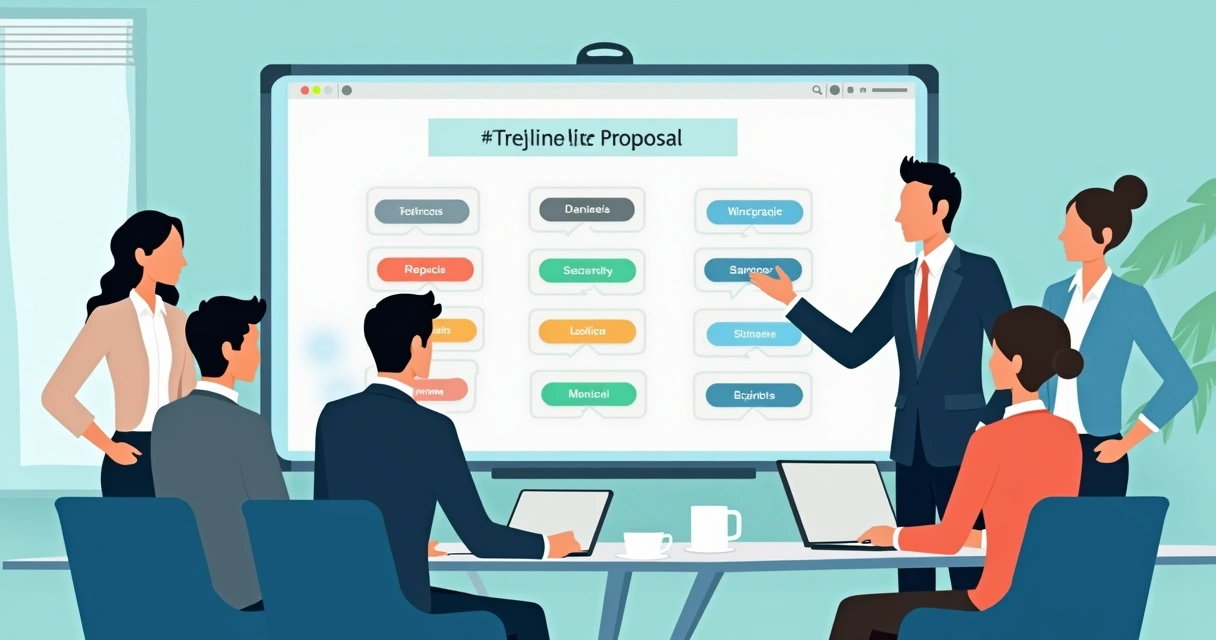
How to write each section and stay clear
I used to rush this part, but I learned to follow these steps for better results:
- Define the problem with facts, figures, or reliable quotes. Don't just say “the process is slow.” Give data.
- Present your solution in a way that answers stakeholder needs. Show supporting evidence if you can.
- Break your objectives into measurable deliverables. Instead of “increase engagement,” write “grow user signups by 30% in quarter two.”
- State your strategy: Who does what? What’s the method? Are there milestones? How will you manage risk?
- Outline your schedule and budget transparently. No hidden surprises for your reviewers.
- Close by pulling the threads together and explaining why approval will lead to success.
- Proofread thoroughly and, where possible, get feedback before final submission.
Structure matters, so I suggest this layout:
- Title page
- Executive summary
- Problem / background
- Solution / approach
- Scope
- Timeline
- Budget and resources
- Risks and assumptions
- Success metrics
- Terms / next steps
Still, every real-world proposal has its quirks. If you ever wonder what to skip or include, see the guide on business contracts for more context.
Explaining proposal types: which is right for you?
In my research, I’ve seen five main types of project proposals, each suited for different situations:
- Formally solicited proposals: Responding to a specific request (often called an RFP)
- Informally solicited proposals: No official RFP, but someone asked for an idea or plan
- Unsolicited proposals: Your idea, your initiative, sent without a direct prompt
- Continuation proposals: For on-going or next stages of previously approved projects
- Renewal / supplemental proposals: Seeking new approval for resources or time, or to add scope
Here’s a quick side-by-side comparison:
- Formally solicited: Clear requirements, high effort
- Informally solicited: Flexible, moderate effort
- Unsolicited: Creative, but may need more persuasive arguments
- Continuation: Focuses on progress, typically less effort
- Renewal/supplemental: Justifies more resources or time, moderate effort
Studies from the National Science Foundation’s Statistics Program show that even interdisciplinary efforts fit into these standard types.
Project proposals vs. other documents: key differences
I am often asked how proposals differ from related papers. Here’s a breakdown:
- Business proposal: Commercial intent, pricing, and sales focus. For a full comparison, read the CloudSign.ie business proposal article.
- Project charter: Official project start, high-level scope and objectives only
- Project plan: Post-approval, includes execution details like tasks, deadlines, monitoring
- Contracts: Legal obligations, terms, signatures
A proposal is the roadmap. The project is the journey.
Proposals ask for approval and support. Projects start once you get the green light. Once acceptance is signed (often through e-signature tools like those from CloudSign.ie), work officially begins.
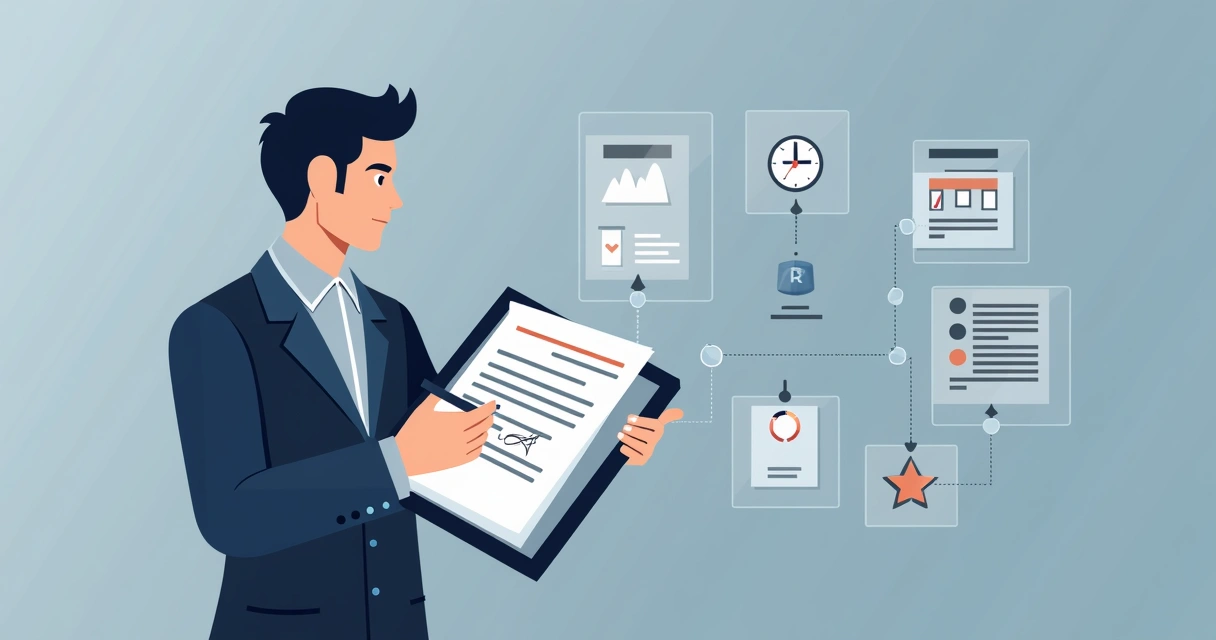
Using templates and smart customization
Templates can save hours. I recommend these ten for frequent needs:
- Sales project proposal
- Digital marketing campaign proposal
- Sponsorship request
- Recruitment drive
- Software development plan
- Accounting or audit proposal
- Real estate project bid
- SEO strategy proposal
- Venture capital pitch
- AI implementation plan
Customize by audience: if they’re technical, include data. For general boards, focus on outcomes, plain talk, and benefits. Always check for jargon or assumptions. In complex environments, tools like CloudSign.ie help merge templates with integration to CRMs and feedback loops, easing the pain of versioning. There’s a detailed example for integrating proposal templates with CRMs that many businesses find helpful.
Tips before you begin
I’ve learned that effective proposals start before anyone writes. Here’s what to do:
- Research your audience: What do they care about? How technical are they?
- Tailor your communication style: One proposal often needs several versions (for leadership, for partners, for technical reviewers)
- Consider individual goals: What does each reviewer want to achieve?
If you skip this step, even a perfect proposal may fall flat. I always recommend asking upfront what your audience expects. That small act often turns “maybe” into “yes.”
Common mistakes, and how software can help
Every year, I see people trip over four weak spots:
- Unclear problem definition
- Poor alignment with team and stakeholders
- Weak benefit cases (not showing value or ROI)
- Untidy formatting and inconsistent language
My advice: use facts, examples, and real data. Get feedback from colleagues. And, if you want to save time, consider software solutions. Some, like PandaDoc, offer basic analytics and templates. However, CloudSign.ie goes further with native integrations, advanced contract management, and generous free tiers, making it friendlier for Irish individuals, startups, and growing teams. I often see time savings between 6-24 hours per proposal, especially with built-in e-signature workflow and automated approvals.
The CloudSign.ie guide to e-signatures in tenders has real-world feedback on electronic signing that’s hard to beat for convenience.
When statisticians and proposal experts matter
For technical projects, I find the advice of early involvement with statisticians, as explained in UC Davis Clinical and Translational Science Center resources, is extremely helpful. Strong data and analysis often shift reviewers from “nice idea” to “approved.”
Final thoughts
This article is intended for guidance only and does not offer legal advice. For more on contract management and proposal processes, including the latest on digital workflows for 2025, I suggest the CloudSign.ie contract management software guide. Last updated: June 2024.
If you want your next project proposal to be clear and credible, I encourage you to try CloudSign.ie. Our platform is designed to help you send, sign, and manage proposals and contracts quickly, wherever you are.
Frequently asked questions
What is a project proposal?
A project proposal is a written plan for a specific project meant to secure approval or resources from decision-makers. It includes objectives, scope, methodology, resources, a timeline, and expected outcomes. The aim is to show what you will do and why, so others are confident in supporting you.
How to structure a project proposal?
The usual structure begins with a title page, executive summary, background/problem, approach/solution, scope, schedule, budget, resources, risk, and acceptance/signature section. Not every section is always needed, but leaving out key details can cause delays or confusion.
What are the main types of proposals?
The main types are formally solicited (responding to an RFP), informally solicited (when requested but not through an official process), unsolicited (sent out of initiative), continuation (for existing projects seeking more support), and renewal/supplemental (to extend or scale up previously funded work).
How can I write a strong proposal?
Gather clear data to define the problem, show a solution tailored to reviewer needs, break targets into specific deliverables, outline a step-by-step plan, state your budget transparently, and use facts. Proofread and get feedback on your draft. Use proposal templates and e-signature tools from CloudSign.ie to save time and reduce errors.
Where to find sample project proposals?
A wide selection of downloadable and customizable templates are available through CloudSign.ie, including examples for sales, marketing, software, and more. These are designed for quick adaptation and work well for both individuals and teams.